We compression-mould interior and exterior parts for railway manufacturers and integrators: from long series in flame-retardant SMC to lightweight carbon fibre components. It is our reference sector, where our technical development is greatest.
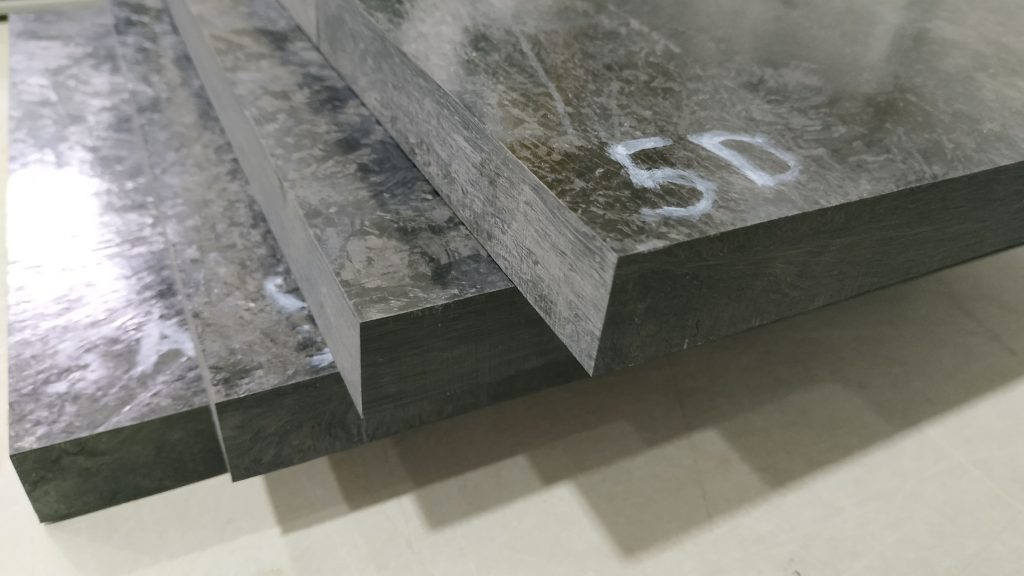
Grades with aluminium trihydroxide, classified to EN 45545-2 for R1, R2, R3, R6, R7 and R17 up to HL3 by an ENAC-accredited laboratory. The most competitive option for long series of linings, covers and housings.
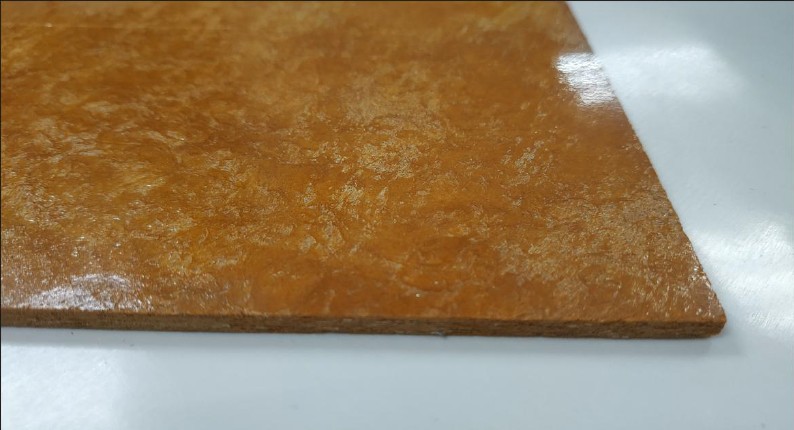
For parts where the resin’s inherent fire behaviour comes first; HL3 certified configuration. See phenolic SMC →
Compression-moulded carbon fibre with 113% higher specific strength than 6061-T6 aluminium, for lightweight structural components. See CSMC →
The standard classifies each material against a requirement (R), according to the part’s location and function (for example R1 for interior linings or R6 for seats), and a hazard level (HL1–HL3), which depends on the vehicle’s operation and design category.
The tests measure flame spread (ISO 5658-2), heat release (ISO 5660-1), smoke density (ISO 5659-2) and gas toxicity (Annex C). For each part we confirm with the customer the requirement and level their specification calls for, and provide the material documentation.
| Material | Requirements | Level | Document |
|---|---|---|---|
| Flame-retardant polyester SMC (N158) | R1, R2, R3, R6, R7, R17 | HL1, HL2 and HL3 | Classification report, ENAC-accredited laboratory (2015) |
| Flame-retardant polyester SMC (Menzo®Rail 2400) | R1, R2, R3, R6, R7, R17 | HL3 | Material manufacturer’s datasheet (tests at 3.5 and 10 mm; halogen-free) |
| Flame-retardant polyester SMC (G157) | R1, R2, R3, R6, R7, R17 | HL1 and HL2 | ENAC classification report (2014); tests repeated in 2021 |
| Phenolic SMC | Depending on application | HL3 | We confirm the classification for your part |
Classifications refer to the tested material (without substrate and valid for any colour, per EN 45545-2:2013) and are not a type approval of the part: compliance depends on thickness, location and the applicable requirement in each project.
Illustrative examples of the kind of technical and commercial challenge we take on — they don't correspond to a specific identifiable client.
Challenge: a rolling stock manufacturer needed to reduce the weight of an aluminium interior panel without losing stiffness or compromising the fire behaviour required for interiors (EN 45545-2, requirement R1).
Solution: panel redesigned in phenolic SMC, adjusting thicknesses and ribs to match the stiffness of aluminium at lower weight.
Result: a lighter part, keeping the required fire classification.
Challenge: an integrator with several of its own moulds could not get its supplier to take on long series at the rate the programme needed.
Solution: production redistributed across our 7 presses according to each mould’s tonnage and cycle, freeing capacity for larger batches.
Result: long series covered steadily, with predictable lead times.
Challenge: an aluminium structural component penalised vehicle weight and assembly cost.
Solution: replaced with CSMC, redesigning thicknesses to exploit its higher specific strength.
Result: a lighter component, meeting the programme’s structural requirements.
It is set by EN 45545-1 from the vehicle’s operation and design category, and is usually fixed in the train manufacturer’s specification. Tell us the level and requirement and we will propose the material.
Flame-retardant polyester reaches its classification with fillers such as aluminium trihydroxide and is the most competitive option for volume; phenolic owes its fire behaviour to the resin itself. We choose based on requirement, weight, volume and cost.
Yes: in-house engineering with CAD/CAM (SolidWorks, CamWorks) and 3D printing for prototypes, working with the customer’s engineering team from the concept phase.
Both short runs and long-term programmes: with 7 presses from 150 to 1,250 t we allocate load by mould and cycle. Share the programme forecast and we will plan it.
Tell us about the part, the EN 45545-2 requirement and level, and the programme volume: we will propose the material and confirm initial feasibility within 24 working hours.